







Search Results for: Brazil Santos

Exploring Brazil Santos Coffee: Flavor Analysis of a World Specialty Coffee Classic from the Port of Santos
When friends visit and are asked what coffee they'd like, many people reply, "I don't really know much about it—just make anything." This prompted us to come up with the idea of introducing the world's classic famous coffees. The first installment focuses on the representative of Brazil, the world's largest coffee-producing country—Brazil Santos Coffee. It comes from the state of São Paulo and is exported through the port of Santos, and with its No.2, 18-19 screen standard, it has become Brazil's highest-grade coffee. This article will analyze in detail its origin background, quality grading, flavor characteristics, and roasting suggestions, taking you through this classic choice that is mild and balanced, suitable for espresso and flavored coffee, and letting you feel its coffee charm that runs through Brazil's veins like samba. [more…]
Brazil Santos Coffee Beans: Flavor Characteristics of the Semi-Washed Process and Analysis of the Santos NO.2 Grade
Brazil, as a producing country accounting for as much as thirty percent of global coffee production, has coffee beans from its southeastern producing regions mostly exported through the Port of Santos, hence the name Santos coffee. This article focuses on the Brazil Santos semi-washed coffee beans recommended by Front Street Coffee, sorting through the producing region background, flavor expression, grade classification, and blending applications layer by layer. These beans have a harmonious aroma and a neutral, delicate fragrance, with notes of dried red dates, cinnamon, nutmeg, and earthy tones; the entry is balanced, followed by a gradually emerging slight acidity, with a faint bitterness lingering in the aftertaste. The article also explains in detail the screening criteria for Santos NO.2, the highest grade of Brazil Santos, and clarifies the key role of Brazilian beans in blended coffee in softening acidity and stabilizing quality, making it suitable reading for enthusiasts who wish to gain a deeper understanding of Brazilian coffee characteristics and blending logic. [more…]
Brazil Santos Coffee: A Full Overview of Bourbon Variety Flavor Profile and Growing Region Background
Brazil Santos coffee, with its full-bodied mouthfeel and intense cocoa-nutty notes, has long held a core position in espresso blends. But Santos is not a coffee variety—it is the name of a major export port in southeastern Brazil. This article provides a comprehensive analysis of the true character of Santos coffee, from the region's history, bean variety evolution, and processing methods to cupping flavors, and specifically introduces the detailed parameters and tasting points of Front Street Coffee's Brazil Santos Natural Bourbon, making it suitable reading for enthusiasts who want to deepen their understanding of Brazilian specialty coffee. [more…]
Brazil Santos Coffee Beans: Flavor Characteristics and Brand Recommendations Under the Semi-Washed Processing Method
Brazil is the world's largest coffee producer, accounting for 30% of global output. Its coffee is mainly grown in the southeast and mostly exported through the port of Santos, which is why it is called "Santos coffee." This article focuses on Front Street Brazil Santos Semi-Washed coffee, introducing the background of the Santos producing region, the Santos NO.2 grading standard, and the mellow, fragrant flavor profile of this bean—from dried red dates, cinnamon, and nutmeg to earthy aromas, then to a balanced mouthfeel, gently spreading acidity, and a light throat finish. It also explains the role of Brazilian beans as a "blender" in coffee blends, and fully presents Front Street Coffee's brand-sharing philosophy with specific formula information (processing method, variety, grade, altitude, flavor). [more…]
Analysis of the Flavor Characteristics of Brazil Santos Coffee Beans: A Classic Single-Origin Representative from the World's Largest Coffee-Producing Country
As the world's largest coffee producer, Brazil's Santos coffee has become a classic representative with its mild and balanced flavor. This article provides a detailed introduction to the quality grading, roasting suggestions, flavor characteristics, and origin background of Brazilian Santos coffee, giving you a comprehensive understanding of this neutral bean hailed as the representative of the "coffee continent." The article also shares the applications of Santos coffee in espresso and specialty coffee drinks, as well as how it conquers enthusiasts with its low-key and understated style. Whether you are a coffee novice or a seasoned player, you can gain a thorough understanding of this famous Brazilian specialty from this article, which also includes recommendation information from Front Street Coffee. [more…]
Is Santos the Best Brazilian Coffee? A Detailed Explanation of Brazil's Coffee Bean Grading System and Naming Rules
Brazil, as the world's largest coffee producer, offers a rich variety of coffee beans with mild flavors, and Santos coffee is the most iconic among them. This article will start with the distribution of coffee-growing regions in Brazil and their flavor characteristics, delve into the unique charm of Santos coffee, and provide a detailed introduction to the grading standards and naming conventions for Brazilian coffee beans, helping coffee enthusiasts fully understand the question of "whether the best coffee in Brazil is called Santos." At the same time, Front Street Coffee will also share recommendations and tasting insights about Brazilian Santos. [more…]
Brazil Santos Coffee Flavor Analysis: A Balanced, Neutral Bean and a Great Entry Point for Single-Origin Coffee
As a representative bean of the world's largest coffee-producing country, Brazil Santos serves as a versatile base for coffee blends thanks to its neutral, smooth taste and moderate acidity, and it is also the go-to choice for many coffee lovers just getting started. After medium roasting, it releases the alluring aroma of stone fruit and cream, with rich oils and a long finish. In this article, Front Street Coffee will guide you through a comprehensive look at this remarkably well-balanced Brazilian coffee bean from multiple angles, including its origin background, flavor characteristics, roasting approach, and processing methods. [more…]
A Complete Analysis of the Harvest Season in Brazilian Coffee Regions and the Flavor Characteristics of Red Bourbon: From Santos to Yellow Bourbon
Brazil, as a major producer on the global coffee map, has always drawn attention for its bean varieties and processing methods. This article systematically outlines the basics of Brazilian coffee, from growing regions and harvest times to grading systems, and takes a deeper look at the flavor differences between two representative varieties: Red Bourbon and Yellow Bourbon. Whether it's the sweetness brought by natural drying or the clean aftertaste preserved by semi-washed processing, both reflect Brazilian coffee's distinctive pursuit of balance and sweetness. Front Street Coffee will also walk you through the flavor profiles of Brazil Santos and Yellow Bourbon, with specific products to match. [more…]
Brazil's January coffee exports hit a record high for the same period, yet congestion at Santos Port and production concerns linger.
The latest report from the Brazil Specialty Coffee Association (Cecafe) shows that Brazil's coffee exports reached 3.961 million bags (60 kg/bag) in January 2024, setting a new record for the same period in history, up 39% year-on-year, with foreign exchange revenue also climbing 30.4% to US$802.5 million. Arabica beans remained the mainstay, while Robusta bean shipments surged by more than 50%. However, external pressures such as geopolitical conflicts, the Red Sea crisis, and drought in the Panama Canal have not eased. Domestic spot prices diverged due to weather and uncertainty over the new crop season, and the vessel delay rate at the Port of Santos climbed to a historic peak of 85%, casting a shadow over subsequent exports. [more…]
Brazilian Specialty Coffee Beans: Origin Flavor Analysis and a Comprehensive Introduction to Front Street Recommendations and the Taste Characteristics of Varieties Such as Santos
Brazil is the world's largest coffee-producing country, and its coffee beans are known for low acidity, a smooth and mellow taste, and a distinctive grassy aroma. Coffee is grown in 17 of the country's 21 states, with 4 major producing states accounting for 98% of the national output combined. There are many varieties of Brazilian coffee, classified by producing state and shipping port, and the most famous is Santos coffee, which has a mellow, neutral flavor and is suitable for brewing directly or blending with other beans. Front Street Brazil coffee is extremely smooth on the palate, with an aftertaste that is refreshing and pleasant. This article will provide a comprehensive introduction to Brazilian coffee varieties, producing regions, grading classifications, and flavor characteristics, giving you an in-depth understanding of this important player in the global coffee trading market. [more…]
Analysis of Flavor Characteristics of Common Coffee Bean Varieties: Taste Differences from Brazil Santos to Blue Mountain, Hawaii, and Mandheling
Faced with a dazzling array of coffee beans, different origins and varieties each have their own strengths in acidity, bitterness, aroma, and body. This article systematically sorts out the flavor characteristics and suitable roasting methods of common coffee beans such as Brazil Santos, Colombia Supremo, Blue Mountain, Hawaii Kona, and Mandheling, helping coffee lovers quickly build an understanding of taste. At the same time, the article also organizes Front Street Coffee's recommended approaches and product references for some bean varieties, making it easy for you to choose single-origin or blended coffee according to your personal preferences, and find the cup that suits you best. [more…]
A Complete Guide to Brazilian Santos Coffee Beans: From Historical Origins to a Flavor Comparison of Front Street Queen's Farm and Cerrado
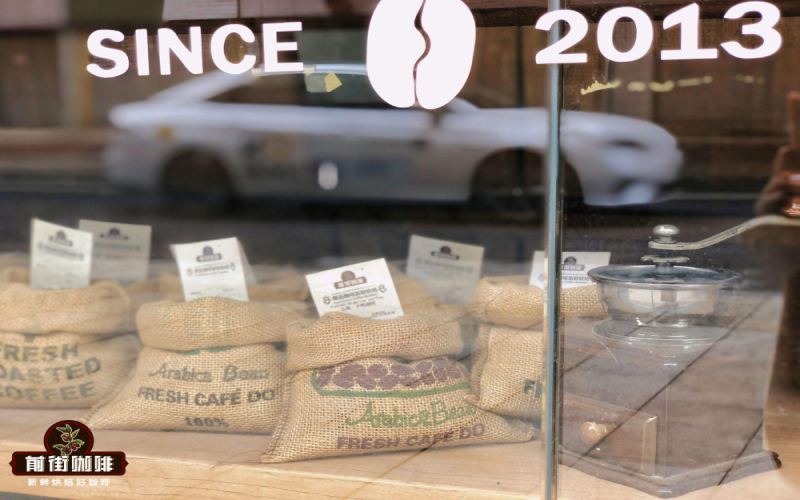
Brazil Santos coffee beans are one of the most familiar Brazilian representatives for coffee lovers worldwide, known for being soft and smooth, low in acidity, and prominently nutty, and they are also the top choice recommended by Front Street Coffee baristas for customers who dislike sourness. This article will take you through the legendary origins of Brazilian coffee from more than three hundred years ago, outlining how Brazil started from zero to become the world's largest coffee-producing country, and will also introduce in depth two Bourbon-variety Brazilian beans from Front Street Coffee—the Yellow Bourbon from Queen Estate in São Paulo and the Red Bourbon from Cerrado in Minas Gerais—covering regional terroir, processing methods, roasting recommendations, and brewing parameters to help you fully understand the classic charm of Brazilian coffee. [more…]
Global Specialty Coffee Single-Origin Guide: Regional Flavor and Taste Analysis from Mocha to Brazil Santos
From the mocha of the Arabian Peninsula to Brazil Santos on the South American continent, the world of single-origin coffee is like a richly diverse flavor map. This article will systematically review the representative varieties of the world's major specialty coffee regions, including Kenya, Mandheling, Blue Mountain, Hawaiian Kona, Indonesia, Guatemala, Tanzania, Colombia, and more, offering detailed interpretations of each region's geographical environment, bean characteristics, roasting performance, and taste profile. Whether you prefer African beans with bright acidity or Asian beans with a mellow sweetness, you will find a choice to your liking in this guide. Front Street Coffee will also recommend specialty single-origin coffees worth trying, helping you embark on a journey of taste across coffee regions. [more…]
CORSINI BRASIL SANTOS Brazilian Coffee Bean Unboxing Review: Cerrado Region Flavor and Front Street Coffee Roasting Recommendation
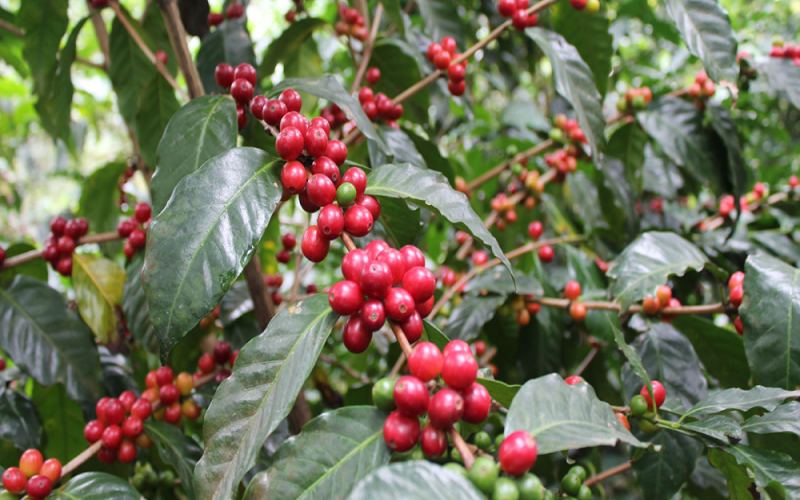
The Cerrado region of Brazil is an outstanding Arabica coffee-growing area, dominated by the Red Bourbon variety and using the semi-washed (pulped natural) process, with a flavor profile of solid body and high-quality acidity. This article opens a bag of CORSINI BRASIL SANTOS Brazilian coffee beans for an appreciation, and introduces Front Street Coffee's medium-roast process for Brazilian Cerrado as well as its use in espresso blends. Whether you seek a clean chocolate flavor or prefer nutty notes, you can find a suitable coffee choice here. [more…]
A major strike by Brazilian tax officials has affected major ports, hindering customs clearance for coffee exports, and prices may rise slightly.
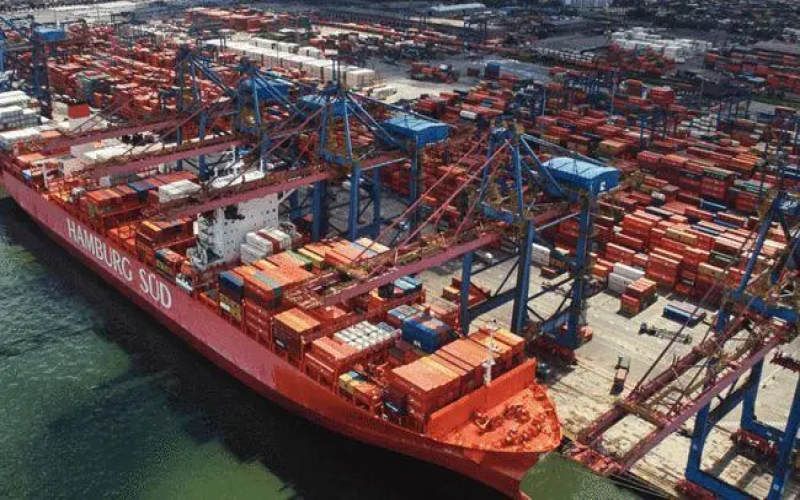
Tax auditors from Brazil's Federal Revenue Service launched a strike from January 22 to 26, affecting major import and export channels including the Port of Santos and Guarulhos International Airport. During the strike, only perishable, fresh, dangerous goods, and pharmaceuticals and foodstuffs can obtain customs clearance; green coffee beans, as a primary agricultural food product, are not included in the release list and will be temporarily detained. The Port of Santos is expected to be unable to process 6,500 import declarations and 4,000 export declarations, and the port had already been experiencing severe congestion due to aging equipment, lagging management, and insufficient manpower, with 76% of vessels delayed in December. Combined with the impact of the Red Sea situation, coffee prices may continue to edge upward in the short term. This article will outline the scope of the strike, the affected goods, and the chain reaction in the market, and includes Front Street Coffee-related recommendations. [more…]
A Complete Guide to Common Single-Origin Coffee Beans in Coffee Shops: A Flavor Guide from Brazil Santos to Hawaii Kona
Walking into a coffee shop, do the dazzling array of single-origin bean names on the menu leave you not knowing where to start? This article systematically sorts through more than twenty common coffee beans and classic coffee drinks, covering the flavors of well-known origins such as Brazil Santos, Colombia Mandheling, Blue Mountain, and Hawaiian Kona, and also introduces fancy preparations such as Viennese iced coffee and iced latte. From the balance of acidity, bitterness, and sweetness to the choice of roast level, from single origin to blends, it helps you quickly build a framework for understanding coffee flavor. Whether you are a beginner enthusiast or a seasoned player looking to refine your tasting ability, this guide can provide you with practical reference. Front Street Coffee will also accompany you in exploring the rich layers of the coffee world. [more…]
Analysis of the Brazilian Pulped Natural Process: A Guide to South Minas Coffee Varieties, Flavor Profile, and Grind Settings
Brazil, as a major producing country on the global coffee map, is arguably second only to Ethiopia in the diversity of its processing methods. Among them, the South Minas region, with its inclusiveness in running semi-washed, natural, and washed processes in parallel, has become the core producing area for Brazilian specialty coffee. This article focuses on Front Street Brazil South Minas coffee beans, systematically reviewing the technical characteristics and flavor advantages of the semi-washed method, and extending to the processing preferences of regions such as Cerrado and the hilly lands of North-Central Minas, while also analyzing the lineage and cup profile of Santos and Bourbon varieties, giving you a comprehensive understanding of this bean's variety, processing method, and grinding setting choices. [more…]
Brazil’s Coffee Exports Rose Nearly 50% in July, but Port Delays Caused $300 Million in Losses
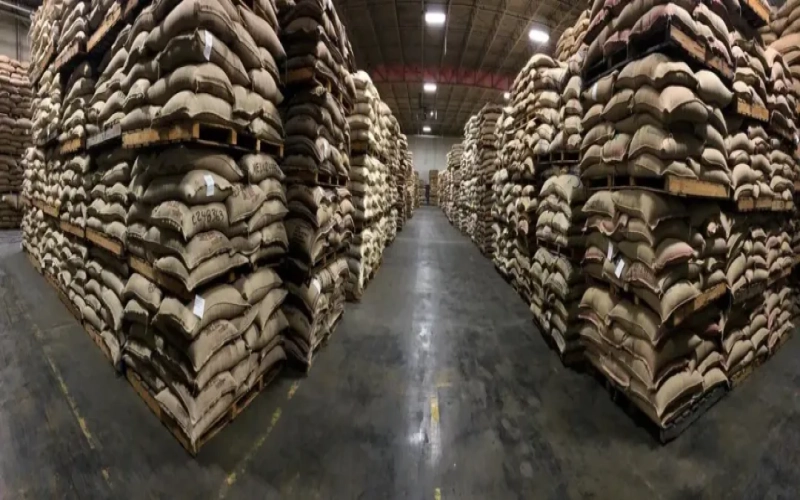
The July report from the Brazilian Coffee Exporters Council (Cecafe) shows that coffee exports for the month reached 3.774 million bags, up 25.7% year-on-year, with foreign exchange revenue of US$932.5 million, an increase of 47.9%, with robusta performing especially strongly. In the first seven months of 2024, cumulative exports reached 2.8146 million bags, up 46.3% year-on-year. However, major ports such as Santos continued to face congestion, and 1.262 million bags of coffee were not shipped in July, causing losses of about US$313 million, while traders' additional costs totaled 7.456 million reais. Severe weather further exacerbated the delays, posing a threat to the international reputation and long-term development of Brazilian coffee. [more…]
From Santos Port to Cerrado: A Complete Guide to Brazil's Six Major Coffee Regions and Bourbon Bean Flavors
Brazil is the world's largest coffee producer, with coffee grown in 17 of its 21 states, and its six major producing regions—including Minas Gerais and São Paulo—each possess distinct terroirs. This article guides you through Brazil's coffee landscape: detailing the four sub-regions of Minas Gerais, visiting São Paulo, home to the Port of Santos, and the renowned Mogiana, interpreting the characteristics of regions such as Cerrado, Espírito Santo, Bahia, and Paraná, as well as the splendor of Fazenda Rainha; at the same time comparing the varietal differences between Red Bourbon and Yellow Bourbon, and including Front Street Coffee's medium-dark roast approaches for two Brazilian beans along with a KONO three-pour hand-brewing method, to explore the source of Brazilian beans' smooth mouthfeel. [more…]
A Complete Guide to the Flavors of Brazil's Specialty Coffee Regions: The Origin Stories of Minas, Cerrado, Mogiana, and the Port of Santos
Brazil is not only the largest country in South America, but also the world's number one producer of coffee beans. This nation, where passion and serenity coexist, produces coffee that carries the rich notes of nuts and chocolate while offering a smooth and mild mouthfeel. A total of 17 states in Brazil produce coffee, with the main growing regions distributed across six states: Bahia, Espírito Santo, Minas Gerais, São Paulo, Paraná, and Rondônia. Among them, Minas Gerais contributes more than half of the country's Arabica coffee beans and is also the core zone for specialty coffee; the Port of Santos in São Paulo state serves as an important gateway for Brazil's coffee exports. On Front Street Coffee's bean list, there are two Brazilian beans—the Red Bourbon from the Cerrado region and the Yellow Bourbon from Queen Mogiana Estate. The former represents the classic Brazilian flavor, while the latter showcases even better sweetness through refined natural processing. [more…]